

"Beef Tallow Skincare: What an Esthetician Wants You to Know"
Is Beef Tallow Good for Skin? Here's Why I'm Not Using It
If you've spent any time on social media lately, you've probably seen it: jars of rendered beef fat, marketed as the "clean," ancestral answer to modern moisturizers. Beef tallow has become one of the biggest skincare trends of the year — and I understand the appeal. In an industry full of long ingredient lists and confusing claims, a one-ingredient product feels refreshingly simple.
But simple doesn't always mean safe, and it definitely doesn't mean right for every skin type. After almost 30 years behind the treatment table, here's my honest take on why I don't formulate with it — especially for the reactive, barrier-compromised skin I work with most.
What Beef Tallow Actually Does
Beef tallow is rendered fat from cattle, and its fatty acid profile — largely oleic and stearic acid — does share some structural similarity to human sebum. That's the whole basis of its popularity: the idea that something "close to what your skin already makes" must be good for it.
In practice, tallow works as an occlusive. It sits on top of the skin and forms a barrier that slows water loss, which can make dry skin feel softer and more comfortable in the short term. For someone with genuinely dry skin and no history of breakouts, that occlusive effect might be tolerable, even helpful.
Why I Don't Use It on Reactive Skin
Here's where it gets more complicated, and where most of the viral praise leaves out the full picture:
It's comedogenic. Tallow is thick and heavy, and for a lot of skin types — especially acne-prone or combination skin — that thickness traps oil and debris in the pore, leading to blackheads, whiteheads, and breakouts.
It can aggravate exactly the conditions I treat most. Rosacea, seborrheic dermatitis, and reactive, barrier-compromised skin don't respond well to a heavy occlusive layer. Instead of calming inflammation, it can trap it.
It's unregulated and inconsistent. Unlike the ingredients I formulate with, tallow-based products aren't held to the same testing, sourcing, or safety standards. Quality varies enormously from one small-batch producer to the next, and improperly rendered or stored tallow can harbor bacteria — even when it smells perfectly clean.
The science hasn't caught up to the hype. As one dermatologist put it, this is a trend where popularity got ahead of the research. There's very little controlled clinical study behind the claims currently circulating — mostly anecdote, not evidence.
This Isn't a New Story — Ask Lanolin
If this pattern sounds familiar, it should. Beef tallow is following almost exactly the same path lanolin took decades ago, and the parallels are worth sitting with.
Lanolin — the waxy substance secreted by sheep's wool — has one of the closest chemical compositions to human sebum of any natural occlusive, which is precisely why it was once so widely trusted in skincare. It's still excellent for cracked lips, heels, and severely dry patches. But it's also a well-documented contact allergen, it's comedogenic enough that dermatologists routinely advise anyone with active acne to avoid it in leave-on facial products, and reactions range from mild redness to more serious contact dermatitis — especially on skin with an already-compromised barrier.
Sound familiar? Same story, different animal: an occlusive fat that resembles sebum closely enough to feel effective in the short term, while carrying real risk for exactly the reactive, barrier-compromised, or acne-prone skin that most needs gentle care. Lanolin earned its cautionary reputation over years of clinical observation and patch testing. Beef tallow hasn't been through that same scrutiny yet — which doesn't mean the risks aren't there, it just means we're earlier in finding out.
What I Use Instead
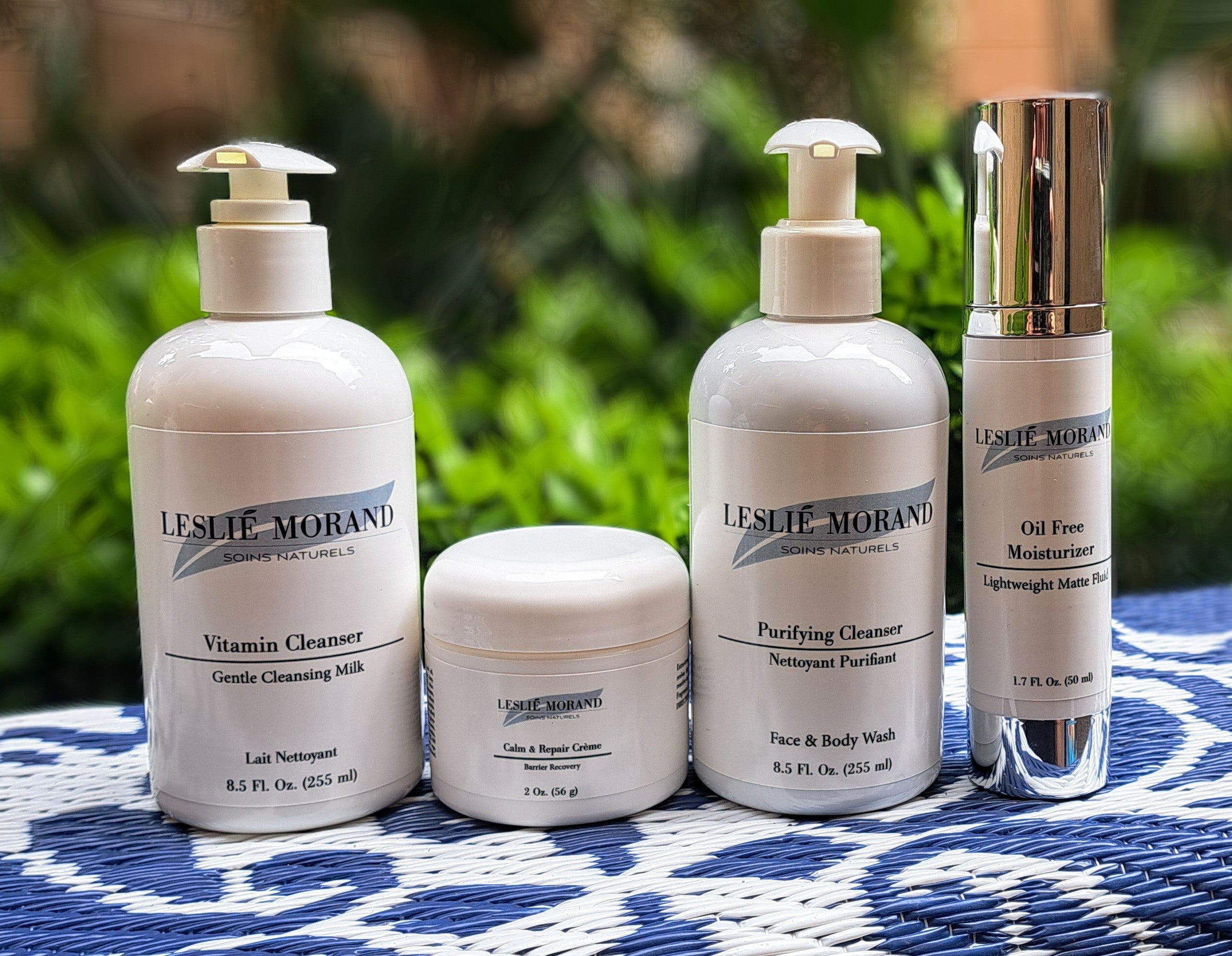
The barrier-repair benefits people are chasing with tallow — softer skin, less water loss, a calmer complexion — are exactly what Calm & Repair Crème was formulated to deliver, without the tradeoffs. Ingredients like beta glucan, shea butter, and encapsulated rosemary provide real barrier support and hydration, backed by actual research, without the comedogenic risk or inconsistency of an unregulated animal fat.
For those chasing that same rich, occlusive, overnight-repair feeling tallow promises, my Aroma Night Balm is a better answer. It uses beeswax as its occlusive base instead of animal fat — beeswax forms a similar protective, moisture-sealing layer on the skin, but it's far less likely to clog pores, has a long history of safe cosmetic use, and comes with none of the sourcing and consistency concerns of rendered tallow. It's formulated specifically to work while you sleep, calming and repairing botanical ingredients combined to repair the barrier overnight without the risk profile of a trending, unregulated ingredient.

The Bottom Line
I get why the beef tallow trend is appealing — it taps into a real desire for simpler, more "natural" skincare. But natural doesn't automatically mean better, and simple doesn't mean safer. If you have very dry, non-reactive skin, tallow might be worth a cautious try. But if your skin is prone to breakouts, redness, or irritation — the skin I see most in my practice — there are formulated, barrier-safe options that will do more for you with far less risk.
If you're not sure which category your skin falls into, that's exactly the kind of thing worth talking through in a facial consultation rather than guessing based on a trending video.
Not Sure What Your Skin Actually Needs?
Trends move fast — your skin's actual needs don't change based on what's viral this month. Take my free Skin Quiz and I'll send you personalized product and treatment recommendations based on your real skin type and concerns, not a social media trend.
Leslie Morand is a Master Holistic Esthetician with nearly 30 years of clinical experience, based in Solana Beach, CA. Learn more about her hormone-safe, barrier-first approach to skincare at lesliemorand.com.
Have questions about what's actually right for your skin?
Leslie Morand Skincare Solana Beach, CA
info@lesliemorand.com
📞 (425) 445-8349
Website Lesliemorand.com
Book or shop the full Leslie Morand Skincare line at Lesliemorand.com

Written by Leslie Morand
Leave a comment
This site is protected by hCaptcha and the hCaptcha Privacy Policy and Terms of Service apply.